Introduction
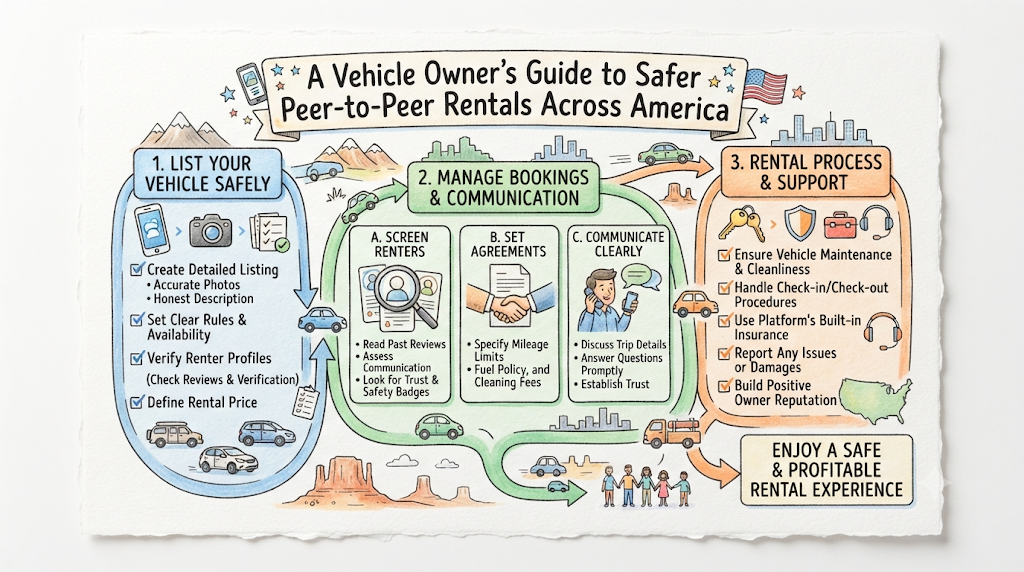
Renting out a personal vehicle can create new opportunities for owners. It can also bring extra work and responsibility. Every rental starts with a vehicle that needs proper care. Owners must check its condition, prepare clear details, and understand rental rules. They must also think about safety, insurance, pricing, and customer communication. A good process helps prevent confusion and protects the vehicle. It also gives renters a better experience. Peer-to-peer rentals can include cars, motorcycles, and scooters. Each vehicle needs a different level of care. This guide explains how owners can prepare their vehicles and manage rental requests. It also shows how online platforms like motoshare.us can help owners explore rental opportunities.
Why Vehicle Preparation Matters Before Every Rental
A vehicle may look ready for daily use. However, rental use brings different needs. A renter may travel farther or use the vehicle in unfamiliar areas. They may also depend on it for an important trip.
That makes preparation important before every handover.
A clear preparation process helps owners:
- Find small problems before a rental begins.
- Reduce avoidable repair risks.
- Give renters accurate vehicle details.
- Set clear expectations.
- Keep useful service records.
- Build trust through honest communication.
Preparation also helps owners make better decisions. For example, a motorcycle with worn tires may need service before another trip. A car with a weak battery may create trouble during a long drive.
Owners should never treat a booking request as proof that a vehicle is ready. They should inspect it first. If something needs attention, they should address it before the next rental.
Start With the Right Vehicle
Not every personal vehicle suits rental use. Owners should consider its condition, value, maintenance needs, and likely demand.
A vehicle should meet basic safety and legal requirements. It should also match the type of rental experience the owner wants to offer.
Cars for Everyday Travel
Cars can suit many rental needs. Travelers may need a car for family visits, holidays, business trips, or local travel.
Before listing a car, check:
- Tire condition and tread depth.
- Brake response and warning lights.
- Headlights, indicators, and brake lights.
- Seat belts and door locks.
- Air conditioning and heating.
- Windshield condition and wipers.
- Engine oil and other required fluids.
- Battery condition.
- Registration and required documents.
Also check the seats, carpets, and storage areas. Remove personal items before each rental.
Motorcycles for Leisure and Road Trips
Motorcycles need more focused checks. Their condition can affect rider safety in many ways.
Inspect the following parts:
- Tires and tire pressure.
- Front and rear brakes.
- Brake lights and indicators.
- Headlight and tail light.
- Mirrors and controls.
- Chain or belt condition.
- Fluid levels.
- Suspension and visible leaks.
- Horn and instrument display.
Check the owner’s manual for the correct service schedule. Follow the manufacturer’s maintenance guidance.
A motorcycle should not go out with a known mechanical problem. Do not rely on a renter to notice an issue.
Scooters for Short Local Trips
Scooters often serve short trips and local travel. Their smaller size does not remove the need for careful checks.
Owners should inspect the brakes, tires, lights, controls, mirrors, and battery. They should also check the seat, storage compartment, and body panels.
Explain the scooter’s controls before the rental begins. New riders may need simple guidance about starting, parking, and basic operation.
Build a Reliable Vehicle Inspection Routine
A repeatable inspection process can save time. It also helps owners compare the vehicle’s condition before and after each rental.
Do not depend only on memory. Use a written checklist for every handover.
Check the Exterior
Walk around the vehicle in good light. Look for scratches, dents, cracks, and loose parts.
Check the following areas:
- Front and rear body panels.
- Doors, mirrors, and windows.
- Bumpers and lights.
- Wheels and tires.
- Motorcycle fairings and handlebar ends.
- Scooter panels and storage covers.
Take clear photos of existing damage. Include close-up photos when a mark needs more detail.
Check the Interior
For cars, inspect the dashboard, seats, floor mats, and storage areas. Look for stains, broken handles, damaged controls, and unusual smells.
For motorcycles and scooters, check the seat, grips, switches, mirrors, and storage areas.
Remove personal belongings before handing over the vehicle. Keep important documents secure and share only what the renter needs.
Check Basic Functions
Start the vehicle and look for warning lights. Test the lights, horn, brakes, and other key controls.
Listen for unusual sounds. Look for leaks under the vehicle. Check whether the steering and controls respond normally.
If you notice a safety concern, stop the rental process. Ask a qualified mechanic to inspect the vehicle when needed.
Create a Maintenance Record for Every Vehicle
Good records help owners understand vehicle history. They also make it easier to plan service before a problem grows.
Keep a separate record for each vehicle. Include the date, mileage, work completed, and service provider.
| Record item | What to include |
|---|---|
| Service date | Day the vehicle received service |
| Mileage | Odometer reading at service |
| Work completed | Oil change, tire check, brake repair, or other work |
| Parts replaced | Name of each replaced part |
| Service provider | Workshop or mechanic details |
| Next service | Expected date or mileage for the next check |
Keep digital copies of receipts and service reports. Store them in a folder that you can access easily.
Follow the Manufacturer’s Service Schedule
Every vehicle has its own service needs. Follow the maintenance schedule in its owner’s manual.
Do not wait for a warning light before checking basic parts. Some issues may develop without an obvious warning.
Regular checks can cover:
- Engine oil and filters.
- Brake pads and brake fluid.
- Tires and wheel condition.
- Battery health.
- Coolant and other required fluids.
- Drive chains or belts.
- Suspension parts.
- Lights and electrical systems.
A qualified mechanic can help with work that needs special tools or training.
Understand Insurance Before Accepting Rental Requests
Insurance deserves attention before an owner lists a vehicle. A personal auto or motorcycle policy may not cover paid rental activity.
Never assume your regular policy protects every rental situation. Contact your insurer and explain how you plan to use the vehicle.
Ask clear questions:
- Does the policy allow paid rentals?
- Does it cover damage during a rental?
- Does it cover theft?
- Does it include liability protection?
- Are there limits on vehicle types or rental periods?
- Does coverage change when another person drives?
- What steps must you follow after an incident?
Ask for written confirmation when possible. Read all policy terms and exclusions.
Check Rental Protection Terms Carefully
A rental marketplace may provide information about protection options. However, owners should read the actual terms before relying on them.
Check who provides the coverage. Understand the covered events, limits, exclusions, and claim process.
Do not describe a vehicle as insured for rentals unless you have confirmed the relevant coverage.
If the policy does not support paid rentals, discuss other options with a qualified insurance professional. Do not accept bookings until you understand the risk.
Review Local Laws and Rental Rules
Vehicle rental rules can vary across the United States. Requirements may depend on the state, vehicle type, and rental arrangement.
Owners should check the rules that apply to their situation.
Important areas may include:
- Vehicle registration.
- Required inspections.
- Driver licensing.
- Minimum age rules.
- Insurance requirements.
- Tax responsibilities.
- Rental business rules.
- Consumer protection requirements.
Motorcycle and scooter rentals may have additional licensing rules. A standard car license may not allow someone to operate every two-wheel vehicle.
Check official state and local sources. Speak with a qualified professional when legal or tax questions arise.
Do not rely on advice from another state. Rules can differ across locations.
Write an Accurate Vehicle Listing
A clear listing helps renters understand what they are considering. It also reduces repeated questions.
Use simple language. Describe the vehicle honestly and include useful details.
Include the Main Vehicle Information
A strong listing should explain:
- Vehicle make and model.
- Model year.
- Vehicle type.
- Transmission type, where relevant.
- Engine size for motorcycles and scooters.
- Seating capacity.
- Storage space.
- Fuel or charging needs.
- General vehicle condition.
- Rental location.
- Any important restrictions.
Add clear photos from different angles. Show the actual vehicle, not unrelated stock images.
Be Honest About Wear and Features
Do not hide scratches, dents, or other visible damage. Mention any feature that does not work as expected.
If a car has limited storage, explain that clearly. If a motorcycle has a tall seat, mention it when useful.
Honest details help renters make informed choices. They also reduce the chance of disagreements later.
Use Photos That Answer Common Questions
Photos help renters understand a vehicle before they contact the owner.
Consider including:
- Front view.
- Rear view.
- Both side views.
- Dashboard or instrument panel.
- Seats and storage space.
- Tires and wheels.
- Existing cosmetic marks.
Keep photos current. Update them after repairs or meaningful changes.
Set a Fair and Practical Rental Price
Pricing affects both renter interest and owner returns. A very high price may reduce inquiries. A very low price may fail to cover costs.
Start with research. Compare similar vehicles in the same area. Look at vehicle type, model year, condition, rental duration, and included features.
Understand Your Costs
Before setting a price, estimate the costs linked to rental use.
| Cost area | What owners should consider |
|---|---|
| Maintenance | Routine service and wear-related repairs |
| Cleaning | Washing and interior cleaning |
| Insurance | Suitable rental-related coverage |
| Depreciation | Long-term loss in vehicle value |
| Repairs | Unexpected mechanical or body work |
| Administration | Time spent on messages and records |
| Taxes | Applicable tax duties and reporting |
These costs can change by vehicle and location. Keep realistic records instead of relying on guesses.
Compare Similar Rental Options
Look at comparable listings in the same market. Compare more than the daily price.
Check:
- Vehicle condition.
- Included equipment.
- Rental duration.
- Pickup arrangements.
- Mileage terms.
- Seasonal demand.
- Location convenience.
Avoid copying another owner’s price without checking the details. Two vehicles with the same model may have different conditions and costs.
Prepare Clear Rental Terms
Good rental terms help both sides understand their responsibilities. Owners should explain important rules before confirming a booking.
Keep the language direct and easy to read.
Your terms may cover:
- Pickup and return times.
- Approved drivers.
- Required driving license.
- Mileage limits.
- Fuel or charging expectations.
- Cleaning expectations.
- Late return process.
- Damage reporting.
- Cancellation rules.
- Permitted travel areas.
Make sure your terms follow applicable laws and platform rules. Do not add conditions that conflict with the rental agreement.
Explain Vehicle Use Restrictions
Some vehicles may not suit every journey. A small scooter may not work for a long highway trip. A touring motorcycle may require more rider experience.
Explain any restrictions clearly. Include limits related to passenger use, road types, storage, or special equipment when relevant.
Never make safety rules vague. Renters should understand what they can and cannot do.
Screen Rental Requests With Care
A booking request does not remove the need for basic checks. Owners should confirm that the renter meets the legal and rental requirements.
Check the information allowed under the platform’s process and applicable law.
Important checks may include:
- Valid driving license.
- Correct vehicle category on the license.
- Minimum age requirements.
- Approved driver details.
- Rental dates and duration.
- Agreement to the rental terms.
Do not collect unnecessary personal information. Protect documents and sensitive details.
If a renter cannot meet the required conditions, do not proceed with the handover.
Make the Handover Simple and Safe
The handover sets the tone for the rental. A clear process helps both sides start with the same understanding.
Choose a suitable meeting place. Allow enough time for the inspection and document checks.
Before Giving the Keys
Complete these steps:
- Confirm the renter’s identity through the required process.
- Check the driving license and vehicle category.
- Review the rental terms.
- Record the current mileage.
- Record the fuel or battery level.
- Photograph the vehicle’s condition.
- Explain important controls.
- Confirm the return time and location.
For motorcycles and scooters, explain the controls and basic operating features. Do not assume every renter has experience with that model.
For cars, explain unfamiliar features such as electronic parking brakes or unusual gear controls.
Keep a Handover Record
Use a checklist signed or acknowledged by both sides when appropriate. Keep a copy of the record and relevant photos.
A clear record can help resolve questions about the vehicle’s condition later.
Never rush this process. A few extra minutes can prevent confusion during the rental.
Give Renters Useful Safety Information
Owners should help renters understand the vehicle. This does not replace formal training or licensing requirements.
Share simple, practical information before the trip.
For cars, explain:
- Basic dashboard warnings.
- Headlight and wiper controls.
- Fuel type.
- Parking brake operation.
- Emergency contact steps.
For motorcycles and scooters, explain:
- Starting and stopping controls.
- Brake operation.
- Lights and indicators.
- Fuel or charging needs.
- Parking and security features.
Encourage renters to wear suitable safety equipment. Motorcycle riders should use a properly fitted helmet and protective gear.
Do not hand over a vehicle when the renter appears unable or unprepared to operate it safely.
Plan for Late Returns and Unexpected Problems
Not every rental will follow the original plan. Traffic, weather, breakdowns, and personal emergencies can affect return times.
Set a clear communication process before the rental begins.
Ask renters to contact you as soon as a delay occurs. Explain how they should report a vehicle problem.
Create a Basic Incident Plan
Your plan should explain:
- Who the renter should contact.
- What information they should provide.
- When they should contact emergency services.
- How to report damage or theft.
- Which roadside support options apply.
- How to follow the insurance claim process.
Do not tell renters to keep driving when a vehicle has a serious mechanical problem.
If an accident occurs, follow local emergency procedures and the relevant insurance requirements. Keep accurate records and avoid making promises about claim outcomes.
Manage Cleaning and Vehicle Turnaround
A clean vehicle helps create a better rental experience. It also gives owners a chance to inspect the vehicle between bookings.
Build cleaning time into the rental schedule. Do not assume every renter will return the vehicle in perfect condition.
Use a Repeatable Cleaning Checklist
For cars:
- Remove rubbish.
- Clean seats and floor mats.
- Wipe common touch points.
- Clean windows and mirrors.
- Check the trunk.
- Remove personal items.
For motorcycles and scooters:
- Clean the seat and body panels.
- Wipe mirrors and controls.
- Check storage compartments.
- Remove dirt from visible areas.
- Inspect the vehicle for new marks.
Use suitable cleaning products. Avoid products that may damage paint, screens, seats, or protective surfaces.
Inspect After Cleaning
Cleaning should also support a condition check. Look for new damage, missing parts, warning lights, and unusual wear.
Compare the vehicle with the handover photos. Record any difference as soon as possible.
If the vehicle needs repair, pause future rentals until it is safe and ready.
Use Online Platforms to Organize Rental Opportunities
Managing rental requests through scattered messages can become difficult. Owners may need to track several conversations, dates, and vehicle details.
An online marketplace can make vehicle discovery easier. It can also help owners present their vehicles to people searching for rental options.
MotoShare gives owners a place to explore vehicle rental listings and marketplace opportunities. Its vehicle categories include cars, motorcycles, and scooters.
Owners can visit motoshare.us to learn more about the platform and its available options.
Before using any marketplace, review its current terms. Check how listings, inquiries, bookings, payments, and rental responsibilities work.
Keep Your Own Records Too
Do not depend on a platform to replace every business record. Maintain your own copies of important documents.
Useful records include:
- Vehicle details.
- Service history.
- Rental dates.
- Handover photos.
- Rental agreements.
- Relevant receipts.
- Communication records.
- Incident details.
A simple spreadsheet may work for one vehicle. A larger fleet may need dedicated management software.
Choose a system that fits your actual needs. Avoid paying for tools that offer features you will not use.
Manage More Than One Rental Vehicle
Owners with several vehicles need a stronger process. Each vehicle may have different service dates, costs, and rental schedules.
A central record can help prevent missed tasks.
Create a separate profile for each vehicle. Track its registration, service history, insurance details, and rental activity.
Use a Fleet Checklist
| Fleet task | Suggested record |
|---|---|
| Vehicle status | Ready, booked, under repair, or unavailable |
| Service schedule | Next date or mileage check |
| Rental calendar | Confirmed rental periods |
| Condition records | Before and after photos |
| Cost tracking | Repairs, cleaning, and service costs |
| Document review | Expiry dates and required updates |
Review the records on a regular schedule. Update them after each rental.
If you manage many vehicles, explore suitable rental management software. Check whether the tool supports the tasks you need. Confirm its pricing, access controls, and data policies before adopting it.
Understand the Difference Between Revenue and Profit
Rental income does not equal profit. Owners must account for the costs of making a vehicle available.
A vehicle may bring in rental revenue but still create a loss. This can happen when repair costs, depreciation, insurance, and cleaning exceed expectations.
Use a simple calculation:
Estimated profit = Rental revenue − Total rental-related costs
For example, imagine a car earns $400 during a rental period. The owner spends $80 on cleaning and service-related costs. The owner also sets aside money for insurance, depreciation, and other expenses.
The remaining amount is not automatically pure profit. The owner must include all relevant costs.
This example is hypothetical. Actual results depend on the vehicle, location, rental activity, and expenses.
Review Results Over Time
Track income and costs for each vehicle. Compare results across several months.
Look for patterns such as:
- High repair costs.
- Long periods without rentals.
- Frequent cleaning needs.
- Strong demand during certain seasons.
- High costs for a specific vehicle type.
Use these details to decide whether to keep, adjust, or stop renting a vehicle.
Never base a financial decision on an assumed number of future bookings.
Common Mistakes Vehicle Owners Should Avoid
Small mistakes can create larger problems. Owners should build habits that prevent avoidable issues.
Skipping Vehicle Inspections
A vehicle can develop problems between rentals. Always inspect it before handover.
Using Unclear Photos
Old or misleading photos can create false expectations. Use current images of the actual vehicle.
Ignoring Insurance Terms
Personal policies may not cover paid rental use. Confirm the correct coverage before accepting bookings.
Setting Prices Without Cost Research
A price that ignores maintenance and depreciation may not support long-term use.
Accepting Unqualified Drivers
Check license requirements and rental conditions. Do not overlook vehicle-specific rules.
Failing to Record Existing Damage
Photos and written records help both sides understand the vehicle’s condition.
Promising Guaranteed Availability
A vehicle may need repairs or become unavailable. Keep listing details and calendars accurate.
Ignoring Local Rules
Requirements can vary by state and vehicle type. Check the rules before starting rental activity.
A Practical Checklist Before Your First Rental
New owners can use this checklist before accepting their first renter.
- Confirm the vehicle meets safety requirements.
- Complete a mechanical and visual inspection.
- Review registration and required documents.
- Confirm suitable rental-related insurance.
- Check state and local rental rules.
- Prepare clear vehicle photos.
- Write an accurate vehicle description.
- Research comparable rental prices.
- Set clear rental terms.
- Prepare a handover checklist.
- Decide how to handle delays and incidents.
- Create a maintenance record.
- Review the marketplace’s current terms.
- Confirm the renter meets all requirements.
This checklist gives owners a useful starting point. Review it again whenever you add another vehicle.
Frequently Asked Questions
1. Can I rent out my personal car through a peer-to-peer platform?
You may be able to list your personal car through a suitable rental marketplace. First, check your insurance policy, local laws, registration requirements, and platform terms. Some policies exclude paid rental activity. You should also inspect the car and prepare clear rental conditions before accepting any booking.
2. What should I check before renting out my motorcycle?
Check the tires, brakes, lights, mirrors, chain, controls, and fluid levels. Review the service history and fix any known safety issue. Confirm that your insurance and local rules allow the rental. Also check the renter’s motorcycle license and explain important controls before the handover.
3. Does personal vehicle insurance cover peer-to-peer rentals?
Not always. Many personal insurance policies restrict or exclude paid rental activity. Contact your insurer and explain your plans. Ask about coverage, exclusions, liability, theft, and claims. Read the policy terms before accepting a rental. Never assume your usual policy covers another driver during a paid rental.
4. How should I decide the rental price for my vehicle?
Compare similar vehicles in your area. Consider the model, age, condition, rental period, and included features. Then estimate maintenance, cleaning, insurance, depreciation, and other costs. Review your results over time. A fair price should attract suitable renters while accounting for the real costs of ownership.
5. What photos should I include in my vehicle listing?
Use clear photos of the front, rear, sides, and important interior areas. Show the dashboard, seats, storage, and vehicle features when relevant. Include existing damage rather than hiding it. Current photos help renters understand the actual vehicle and reduce confusion before the rental begins.
6. How can I protect my vehicle during a rental?
Start with suitable insurance and clear rental terms. Check the renter’s license and required details. Record the vehicle’s mileage, fuel level, and condition before handover. Take dated photos and keep useful records. Inspect the vehicle again after return. These steps help owners manage risks and document concerns.
7. Can I rent out a scooter for local travel?
A scooter may suit short trips and local travel when it meets applicable requirements. Check its brakes, tires, lights, battery, and controls before every rental. Confirm the renter has the correct license. Explain basic operation and any travel restrictions. Follow local rules and suitable insurance requirements.
8. What records should I keep for each rental?
Keep service reports, repair receipts, rental dates, handover photos, agreements, and relevant communication. Record mileage and fuel or battery levels. Store insurance and registration information securely. Good records help owners track costs, plan maintenance, and answer questions about the vehicle’s condition.
9. Can renting out a vehicle guarantee extra income?
No. Rental income depends on demand, location, pricing, vehicle condition, costs, and other factors. Some vehicles may receive few requests. Repairs and depreciation can also reduce returns. Owners should estimate costs carefully and treat rental income as uncertain rather than guaranteed.
10. How can an online marketplace help vehicle owners?
An online marketplace can help owners present vehicles to people searching for rental options. It may offer listing and booking-related tools, depending on its current features. Owners should review the platform’s terms, fees, support process, and responsibilities before joining. They should also keep their own service and rental records.
Conclusion
Successful vehicle rentals begin with careful preparation. Owners should inspect each vehicle, review insurance, understand local rules, and create accurate listings. Clear rental terms and good records also help prevent avoidable problems. Cars, motorcycles, and scooters each need their own checks. Owners should never rush safety decisions to accept a booking. They should also track every cost and review rental results over time. A reliable process can make vehicle sharing easier to manage. Online marketplaces can help owners explore rental opportunities and reach potential renters. Start with one well-prepared vehicle, build a clear routine, and improve the process with every rental.